
•
Other recommended articles
See All

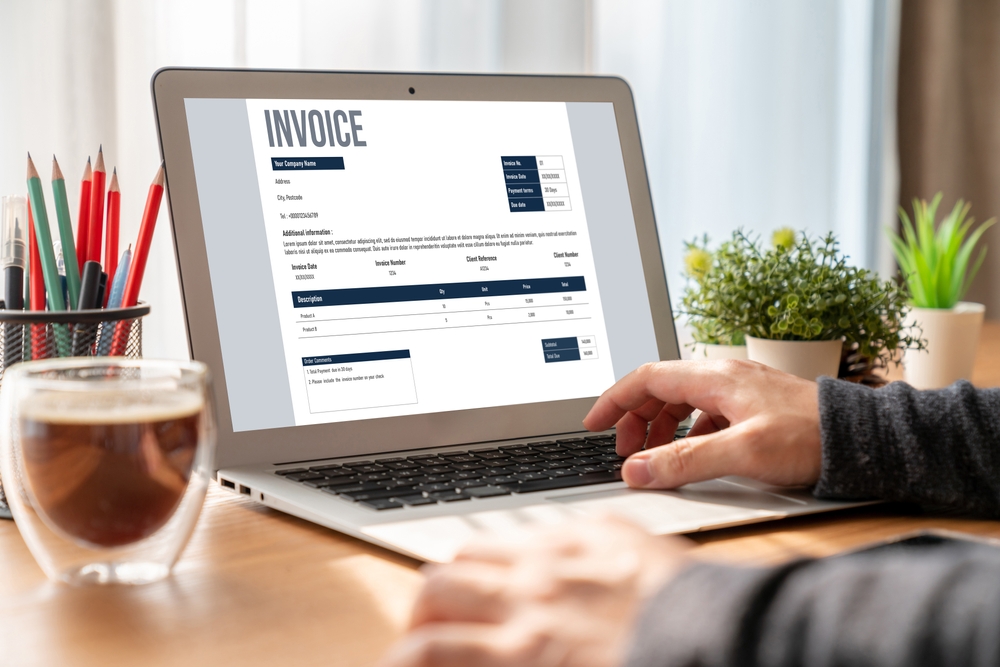
In business operations, invoices are essential documents that should not be overlooked. This document serves as official proof of payment issued by the seller to the buyer or customer after the transaction.
Without invoices, the financial recording process may become inconsistent. That’s why it’s important for companies to understand the various types of invoices and how they’re used. This is because an invoice is not just a billing document, it also serves as authentic proof that helps ensure transactions run smoothly.
In simple terms, an invoice is an official record of a transaction between a seller and a buyer. In the business world, an invoice serves as a legal document that specifies the amount a customer is required to pay.
For companies, invoices act as essential financial records that support reporting and payment reconciliation. This document not only supports the administrative process but also ensures legal certainty in every transaction.
Invoices offer many benefits for businesses. This document helps businesses keep their cash flow healthy by making sure payments are received on time. In addition, invoices enhance a company's professionalism by ensuring that all transactions are conducted in an organized, official, and transparent manner.
Equally important, invoices serve as legal documents that can be referenced during audits or financial inspections. This document ensures that the company has a solid legal foundation for every transaction, helping to maintain the trust of clients and business partners.
To support business operations, several types of invoices are used, including:
This type of invoice is most commonly used to record transactions involving the sale of goods or services to customers. The recorded information includes the sale date, product or service details, the payable amount, payment terms and conditions, and the contact information of both the seller and the buyer.
In addition to sales invoices, there are also purchase invoices, which are typically issued by suppliers. This document also serves as official proof of purchase transactions made by partners or companies.
This invoice provides details of your transaction, including the purchase date and time, items bought, payment amount, and payment terms. Additionally, the identities of both the supplier and the buyer must be clearly provided to ensure a more transparent and streamlined administrative process.
This type of invoice is usually issued as an estimate of the costs to be paid before a transaction takes place between the two parties. This document helps buyers plan their budget and allocate funds as needed.
In addition, proforma invoices are often used as a reference to secure internal and administrative approvals from the company before the official sales and purchase process begins.
A return invoice is issued when goods are returned because they are damaged, defective, or delivered incorrectly. This invoice serves as official documentation for the returned products and updates the previously recorded invoice amount.
In a consignment system, goods are delivered to retailers, but ownership remains with the seller. A consignment invoice documents the goods sent on consignment and the payment due once the products are sold.
Invoices serve as reminders for customers about any outstanding payments. This document is typically issued after the due date, allowing the company to formally and professionally follow up on outstanding payments.
The last option is a recurring invoice, typically used for transactions with regular, recurring payments. Examples include monthly internet bills, equipment rental payments, and annual service contracts. This invoice helps companies easily track transactions and maintain consistent cash flow from regular customer payments.
To make creating invoices for transactions easier, you can refer to the examples below:
Sample payment invoice


Manually managing invoices is often time-consuming and increases the risk of recording errors. To address this challenge, companies can use the Paper.ID invoicing platform to streamline the invoicing process, making it faster and more efficient. For your information, Paper ID is an official partner of Ocean by BCA. You can access the platform directly through the ‘myEcosystem’ menu on the Ocean by BCA website.
With the PaperPay In feature, companies can now bill their customers more easily and with greater flexibility. In addition, the PaperPay Out feature makes it easier for companies to pay their suppliers by offering an extra 45 days of credit. Easily access Paper.ID through Ocean by BCA.
Enjoy transaction fees of just 1% during our promotional period valid until 31 December 2025!