
•
Other recommended articles
See All

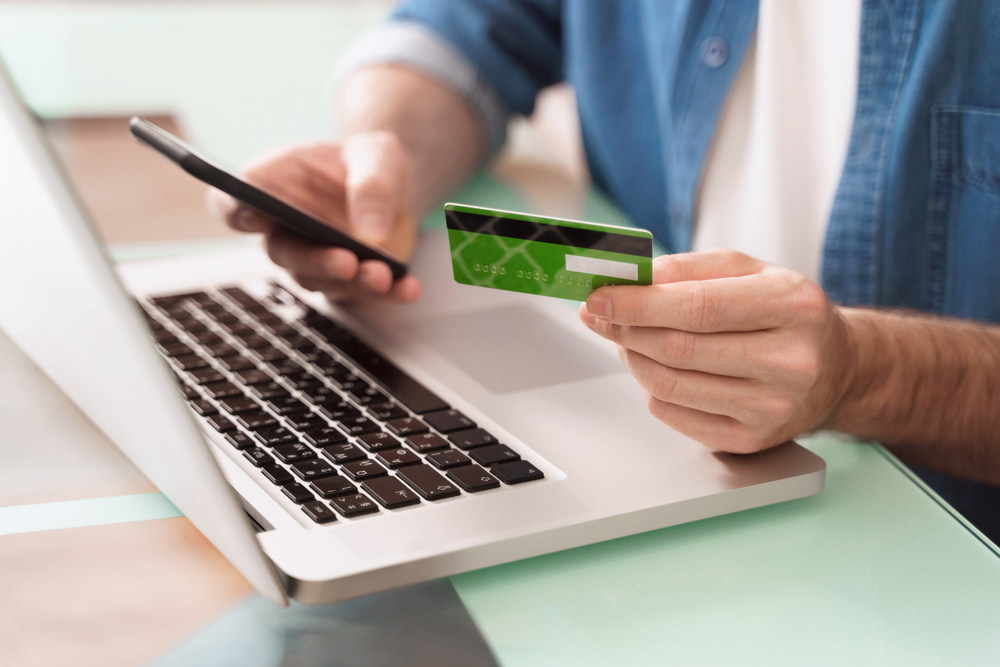
As financial technology evolves, payment gateways have become essential to the digital transaction landscape. A payment gateway facilitates practical, secure, and rapid transactions for both businesses and customers.
To better understand how payment gateways work, explore the essential details below.
Simply put, a payment gateway acts as an intermediary for digital transactions. By utilizing a single integrated gateway, this service connects merchant applications to a diverse range of payment options, from credit cards to digital wallets.
Beyond simplifying transactions, a payment gateway secures sensitive customer data by preventing fraud and unauthorized access. For business owners, a payment gateway streamlines payment management by eliminating manual processes.
All transactions are verified and confirmed automatically within seconds. Here are the primary advantages of payment gateway transactions:
Ensuring effortless and practical transactions for users
Strengthen transaction security using data encryption
Unified payment system supporting multiple methods
Minimize human error
Driving business growth through streamlined payment systems
Flexible transactions anytime, anywhere
Also Read: Integrating Business Anywhere with myBCA Bisnis Lite
Here is a general overview of how a payment gateway works:
Buyer selects a product and proceeds to checkout, where the system lists available payment methods
Enter payment details (e.g., card number, e-wallet, or other methods)
The payment gateway secures incoming data through encryption before validating its eligibility
The payment gateway validates the buyer's funds and credentials before issuing a transaction approval
Once approved, funds are transferred to the seller via the selected payment method
Once the transaction was successfully completed, the seller was notified and fulfilled the order
As a transaction facilitator, payment gateways offer various types, each with unique features and mechanisms.
This model redirects customers to a third party payment gateway, ensuring that the service provider handles all transaction security. Hosted payment gateways are a popular choice as they eliminate the complexity of managing sensitive data. A prominent example of such a service is PayPal.
As the name implies, this type of transaction data is captured directly on the merchant's website or app before being transmitted to the gateway provider's server. This scheme is ideal for business owners seeking greater control over the customer experience. Leading examples of such payment gateway services include Shopify Payments and ShopeePay.
The payment gateway API integrates seamlessly into websites and applications, streamlining the checkout experience for customers. This system enables sellers to design a faster, more personalized checkout experience by eliminating page redirects.
Notable providers offering this service include Stripe and the Midtrans API.
This method integrates transactions directly with the local banking system, facilitating real-time verification through bank transfers, virtual accounts, or online debit.
A mobile payment gateway is a specialized system, such as GoPay or OVO, designed to facilitate direct transactions through mobile devices. This payment gateway delivers a seamless checkout experience by integrating various methods, including e-wallets, QR codes, and one-tap payments.
Also Read: Understanding Business Capital Types for Long Term Sustainability
Seamless transactions are the cornerstone of a premium customer experience. The more intuitive the payment process, the higher the customer satisfaction. Enhance your customer service with the EDC Ocean by BCA, a reliable device that ensures fast, easy, and secure payments.
By reducing manual entry and human error, businesses can achieve significantly greater efficiency in financial management. The device supports a wide array of payment methods, including debit and credit cards, QRIS, and various other digital payment options.