
•
Other recommended articles
See All

High quality school facilities do more than just provide space, they create a safe and inspiring environment where students can truly enjoy learning.
Beyond shaping the overall learning experience, school facilities play a pivotal role in driving student motivation and productivity.
Well equipped schools not only empower students to reach their full potential but also stand as a testament to an institution’s professionalism.
What are the essential facilities every school should have? Let’s dive into the details below to find out.
Here are 10 important facilities that must be available in schools:
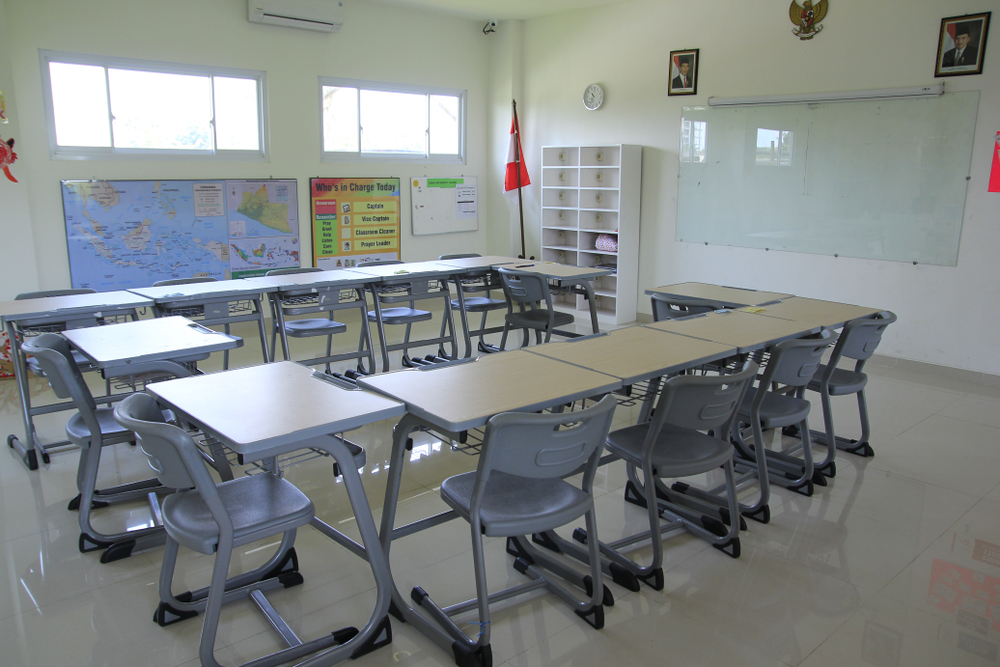
As the primary hub for learning, classrooms must be designed to prioritize student comfort and safety.
These facilities must be well ventilated and brightly lit, featuring ergonomic furniture and essential learning tools such as blackboards and writing materials.
Beyond the classroom, libraries stocked with educational resources serve as vital hubs for student knowledge and literacy. In addition to digital and print collections, libraries must offer a peaceful environment where students feel at ease spending their time.
Good sports facilities are key to helping students stay active and healthy. The more comprehensive the facilities, the better, especially when they support a variety of sports like soccer, basketball, volleyball, and track and field.
Next is the laboratory, a dedicated facility designed for student experimentation and hands on practice. This facility provides a supporting platform that helps turn abstract concepts and theories into more concrete understanding.
To ensure a safe and effective learning process, all laboratory equipment and materials must meet established quality standards.
The addition of beautiful green spaces creates a refreshing breeze and a tranquil atmosphere across the school grounds. Students, teachers, and staff can enjoy a more comfortable environment, fostering better focus and providing much needed space to unwind during breaks or outdoor activities.
The next essential facility is the school cafeteria, which provides students with nutritious meals to maintain their energy and focus throughout the school day. The cafeteria serves as a hub for social interaction and independent learning, fostering character development and a deeper appreciation for healthy living.
Schools must provide adequate, well organized parking to ensure the security of student and staff vehicles. This is essential to minimize traffic congestion around the school, ensuring a smooth and efficient flow of traffic for everyone entering and leaving the premises.
The health room enables more efficient emergency treatments and routine check-ups for students. Health rooms must be equipped with essential medicines, first aid kits, and basic medical supplies for emergency response.
To promote health and comfort within the school environment, restrooms must be kept clean, hygienic, and easily accessible to all. Regular cleaning minimizes disease risks and demonstrates the school’s dedication to quality facilities.
Beyond students, dedicated workspaces are essential for teachers and staff to maintain high productivity. A comfortable and well organized workspace enhances productivity and fosters better coordination among teachers and staff.
Effective school facility management hinges on strategic financial planning to maximize long term benefits. Ocean by BCA provides comprehensive solutions tailored to support seamless school operations and institutional development.
Simplify school transactions with Ocean by BCA’s Payment Link, allowing administrators to generate custom payment links effortlessly.
For instance, parents can easily settle enrollment, tuition, books, and uniforms in a single transaction. Payment Links speed up school transactions by automating calculations and reducing manual errors.
Additionally, Ocean by BCA offers Multipurpose Business Loan to support schools in financing construction, renovations, equipment procurement, and other operational needs.
This facility enables schools to enhance their learning environments without the burden of funding constraints. By integrating these systems, schools can manage payment and financing needs more efficiently, allowing them to focus on enhancing facilities and educational quality.