
•
Other recommended articles
See All

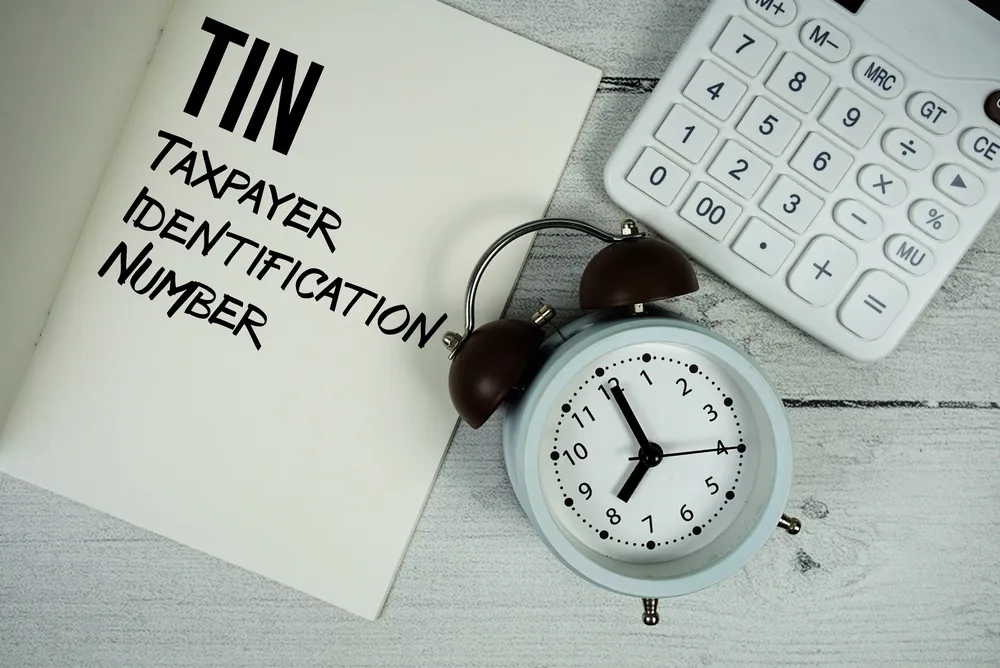
All businesses, irrespective of their size, possess specific rights and obligations under the national tax framework. Obtaining a Taxpayer Identification Number (NPWP) is the essential first step toward tax compliance. However, the Taxpayer Identification Number (NPWP) for corporate entities is distinct from the NPWP for individual taxpayers.
Understanding the importance of a business tax ID not only ensures a company is protected from penalties but also helps maintain its credibility. An NPWP is a key requirement for various business transactions. Therefore, entrepreneurs must understand the proper procedures for obtaining one for their company.
The business Tax Identification Number (NPWP) is a unique identifier issued by the Directorate General of Taxes to entities responsible for fulfilling tax rights and obligations. A corporate NPWP consists of 15 digits, in contrast to a personal NPWP, which contains 16 digits.
Even if the business owner already possesses an individual Taxpayer Identification Number (NPWP), the business entity is still required to have its own. The primary objective is to delineate tax liabilities and administrative responsibilities between the business and the owner. A valid corporate NPWP must be registered under the name of the business entity, rather than the name of a director or owner.
Also Read: A Complete Guide to Corporate Cards and Their Business Benefits
Prior to applying for an NPWP, please ensure that your business entity possesses a valid legal status. Please prepare the following requirements to apply for a corporate Taxpayer Identification Number (NPWP):
Company legal status. The Articles of Association or latest Amendment Deed, as legalized by the Ministry of Law and Human Rights, in accordance with the business entity type.
Business license. A Certificate of Registration (SKT), Business License (SIUP), or other operational permits issued by the relevant authorities.
Identity of the board members. The Resident Identity Card (KTP) and Taxpayer Identification Number (NPWP) of an authorized officer (Director or Commissioner).
Company address. A Business Address Certificate (SKDU) issued by the local sub district office, or valid proof of ownership/lease for the business premises. This document serves as confirmation that the company's business address has been verified.
Obtaining an NPWP for corporations or business entities is now significantly easier and faster, thanks to the DGT’s e-Registration system. The application process is conducted entirely online.
Access the official DGT e-Registration portal to register for an NPWP. Business owners are required to register an account using a valid email address. A verification link will be sent to your registered email address by the DJP. Follow the link to activate your account and proceed with the registration form.
Once your account has been activated, please log in again to complete the Corporate Taxpayer Registration Form. Please ensure your business name, address, and activity type match your company’s legal documents exactly. Any inconsistencies in the data may result in the rejection of your application.
At this stage, business owners must upload the prepared documents for the company’s Taxpayer Identification Number (TIN), such as the Articles of Incorporation, Directors' TINs, and Business License. Documents must be uploaded in high resolution PDF or JPEG formats to ensure readability.
Also Read: Business Loan Ocean by BCA: Benefits and How to Apply for Automotive Businesses
Once all forms are complete and required documents are uploaded, click 'Submit Application'. The DJP will review the case and conduct an administrative investigation. Business owners can track their application status periodically via their e-Registration account.
Once the application is approved, the DGT will issue a Certificate of Registration (SKT) and dispatch the physical NPWP card to the company’s registered address. Please allow a few business days for this process to be completed.
Also Read: 4 Popular Cashless Payment Options for Businesses
Obtaining an NPWP is the first step toward establishing your business's security and credibility. The subsequent challenge involves maintaining continuous tax compliance and ensuring timely reporting. Inaccurate tax calculations and reporting may lead to costly penalties and fines.
As an Ocean by BCA digital platform partner, CATAPA offers integrated solutions to streamline corporate tax compliance management. With CATAPA, business owners can automate tax calculation, payment, and reporting, ensuring their business remains compliant with current tax laws.
This convenience lets business owners focus on growth rather than complex tax administration. Don't let complex tax tasks slow your business down! Leverage CATAPA, an Ocean by BCA partner, to automate your business tax management with precision.